Encrypted Fax Service: Practical Guidance for Secure Business Communications
In an era where data breaches dominate headlines, businesses that still rely on fax need a modern, secure alternative. An encrypted fax service replaces paper‑based transmission with digital security, ensuring that confidential documents travel safely over the internet. This article walks you through everything you need to know before adopting such a service—what it is, who benefits, core capabilities, pricing structures, and practical steps for implementation.
Whether you are a law firm handling privileged client information, a healthcare practice needing HIPAA‑compliant document exchange, or a mid‑size company looking to tighten its outbound communications, the guidance below will help you evaluate the right solution for your specific business needs.
What Is an Encrypted Fax Service?
An encrypted fax service is a cloud‑based platform that sends and receives faxes using internet protocols while applying strong encryption (typically TLS 1.2 or higher) to protect the data in transit and at rest. Unlike traditional analog fax machines that broadcast signals over phone lines, the digital approach encapsulates the fax payload in a secure tunnel, making it unreadable to interceptors.
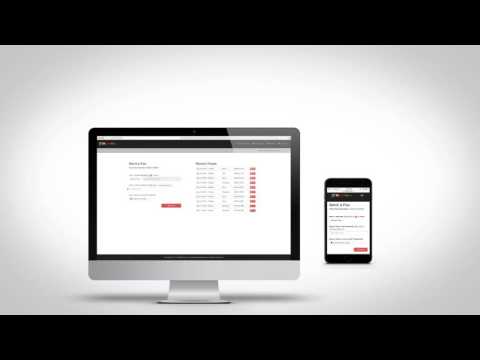
Most providers also offer a web dashboard where users can manage inboxes, view transmission logs, and set permissions. This centralization reduces the need for multiple physical fax machines and streamlines compliance reporting for industries with strict data‑privacy regulations.
Who Needs an Encrypted Fax Service?
Any organization that transmits sensitive information—financial statements, legal contracts, medical records, or personal identifiers—can benefit. In the United States, sectors such as legal, healthcare, finance, and government are the most common adopters because they face regulatory obligations like HIPAA, GLBA, and GDPR‑related provisions.
Beyond regulated industries, small businesses that still rely on fax for supplier communication can gain a competitive edge by reducing fax‑related delays and eliminating the risk of misplaced paper. Even remote teams appreciate the ability to send faxes from any device without the constraints of a physical machine.
How Encryption Works in Modern Faxing
When you upload a document to send a fax, the service first converts the file (PDF, DOCX, etc.) into a raster image compatible with fax standards. This image is then wrapped in an encrypted session established between your browser or email client and the provider’s servers. The encryption keys are never exposed to third parties, and the data remains encrypted until it reaches the recipient’s fax gateway.
On the receiving side, the encrypted fax is decrypted within the provider’s secure environment and delivered as a PDF attachment or directly to a fax machine via a traditional phone line, depending on the recipient’s setup. This dual‑path approach preserves compatibility while maintaining strong security end‑to‑end.
Key Features & Benefits
Below is a quick reference of the most common features you’ll encounter and why they matter for U.S. businesses.
- End‑to‑end encryption: Protects data from interception during transmission and storage.
- Web‑based dashboard: Centralized management of sent/received faxes, logs, and user permissions.
- API integration: Enables automation within existing workflows (e.g., CRM, ERP).
- Audit trails: Supports compliance reporting with time‑stamped records.
- Scalability: Adjusts to volume spikes without needing new hardware.
- Multi‑device access: Send/receive from desktop, laptop, or mobile.
Collectively, these capabilities reduce operational overhead, lower the risk of data breaches, and improve turnaround times for document exchange—critical factors for any business looking to modernize its communication stack.
Common Use Cases for Businesses
Understanding real‑world scenarios helps you see where an encrypted fax service adds the most value. Here are three illustrative examples:
- Legal firm filing court documents: Attorneys can securely fax pleadings while preserving a digital audit log for courtroom verification.
- Healthcare clinic exchanging patient records: HIPAA‑compliant faxing ensures that referrals and lab results are transmitted without exposing PHI.
- Financial institution processing loan applications: Sensitive financial statements are sent to underwriting teams with encryption that satisfies GLBA requirements.
Each scenario highlights the blend of compliance, convenience, and cost savings that an encrypted fax service delivers compared to maintaining a fleet of analog machines.
Setting Up and Integrating an Encrypted Fax Service
Implementation typically follows a straightforward three‑step workflow:
1. Account Creation & Verification
After signing up, you’ll verify your domain and set up user accounts. Most providers allow role‑based permissions to restrict who can send or view certain faxes.
2. Connect Your Existing Tools
Use the provided API keys or built‑in connectors to link the service to your CRM, document management system, or email platform. This enables automated sending of invoices, contracts, or other documents directly from the source application.
3. Test and Go Live
Run a series of test faxes to confirm encryption, delivery success, and log accuracy. Once validated, you can retire legacy fax machines and transition to the digital workflow.
Pricing Models and Cost Considerations
Encrypted fax services are usually priced per user, per fax, or as a bundled volume package. Below is a sample comparison to illustrate typical pricing tiers.
| Tier | Monthly Cost (per user) | Included Fax Volume | Key Add‑Ons |
|---|---|---|---|
| Starter | $9.99 | 100 pages | Basic dashboard, email support |
| Professional | $19.99 | 500 pages | API access, audit logs, phone support |
| Enterprise | Custom | Unlimited | Dedicated account manager, SLA, custom integrations |
When evaluating cost, factor in savings from eliminated hardware, reduced paper handling, and lower administrative time. For organizations with high fax volume, the unlimited enterprise tier often provides the best ROI.
Reliability, Support, and Security Assurance
Uptime is crucial because a missed fax can delay contracts or medical treatment. Leading providers guarantee 99.9% service availability and maintain geographically redundant data centers to mitigate outages.
Support options range from self‑service knowledge bases to 24/7 live chat and phone assistance. When choosing a vendor, confirm that they conduct regular third‑party security audits and provide transparent compliance documentation.
Choosing the Right Provider – Decision Checklist
Before committing, run through this short checklist to ensure the service aligns with your business requirements:
- Does the provider use end‑to‑end TLS encryption?
- Are compliance certifications (HIPAA, GDPR, etc.) publicly available?
- Is there an API for seamless integration with existing workflows?
- What is the pricing model and does it fit your projected fax volume?
- What support channels are offered and what are the response times?
Following this guide will help you select a solution that balances security, usability, and cost. For a trusted provider, visit the secure fax and explore their offerings.